Documentary before 1970: the best movies
24 documentary films before 1970, ranked by audience rating. The best of the decade, and it still holds up tonight. Updated 25 September 2026
Night and Fog leads with 8.3 out of 10, ahead of Love Meetings (8.2). Ratings range from 7.1 to 8.3. The oldest, Häxan, goes back to 1922.
Find my film in 2 questionsSwipe through films
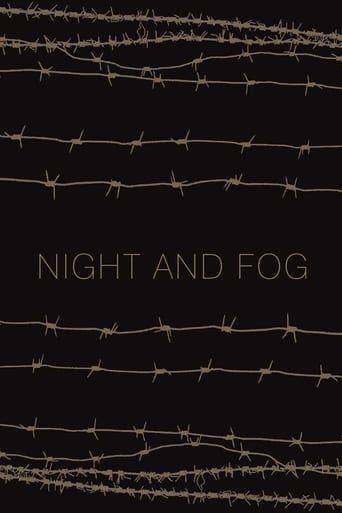
Night and Fog
Filmmaker Alain Resnais documents the atrocities behind the walls of Hitler's concentration camps.

Love Meetings
Pier Paolo Pasolini sets out to interview Italians about sex, apparently their least favorite thing to talk about in public: he asks children if they know where babies come from; asks old and young women if they support gender equality; asks both sexes if a woman's virginity still matters, what do they think of homosexuality, if divorce should be legal, or if they support the recent abolition of brothels. He interviews blue-collar workers, intellectuals, college students, rural farmers, the bourgeoisie, and every other kind of people, painting a vivid portrait of a rapidly-industrializing Italy, hanging between modernity and tradition — toward both of which Pasolini shows equal distrust.
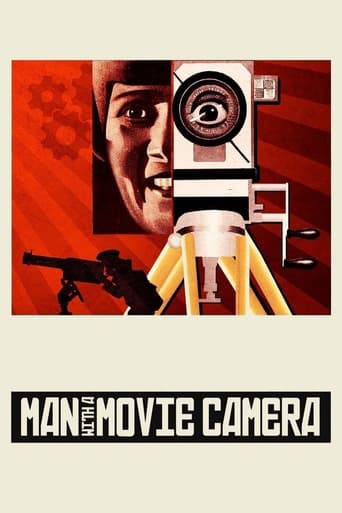
Man with a Movie Camera
A cameraman wanders around with a camera slung over his shoulder, documenting urban life with dazzling inventiveness.
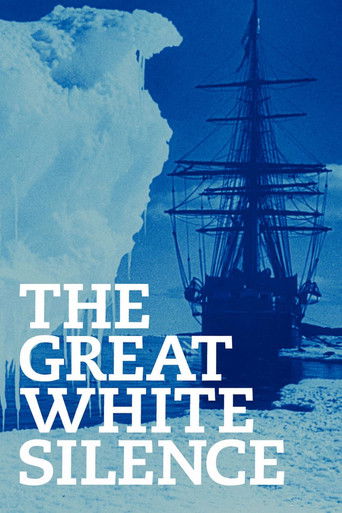
The Great White Silence
Herbert Ponting travelled to Antarctica with Captain Scott’s ill-fated South Pole expedition and filmed the stunning images that make up this extraordinary documentary. (Originally released in 1912 as With Captain Scott in the Antarctic, the material was re-edited and re-issued by Ponting in 1924 as The Great White Silence.)
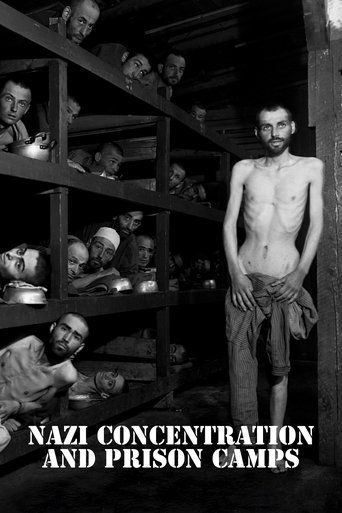
Nazi Concentration Camps
Produced and presented as evidence at the Nuremberg war crimes trial of Hermann Göring and twenty other Nazi leaders, this film consists primarily of dead and surviving prisoners and of facilities used to kill and torture during the World War II.
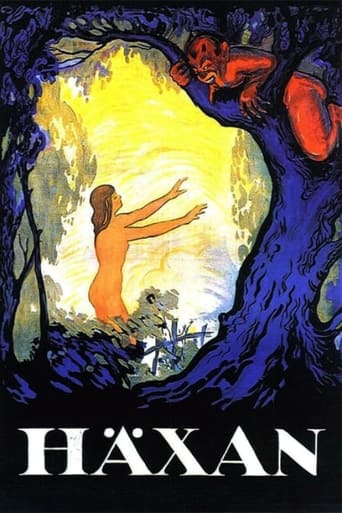
Häxan
Grave robbing, torture, possessed nuns, and a satanic Sabbath: Benjamin Christensen's legendary film uses a series of dramatic vignettes to explore the scientific hypothesis that the witches of the Middle Ages suffered the same hysteria as turn-of-the-century psychiatric patients. But the film itself is far from serious-- instead it's a witches' brew of the scary, gross, and darkly humorous.
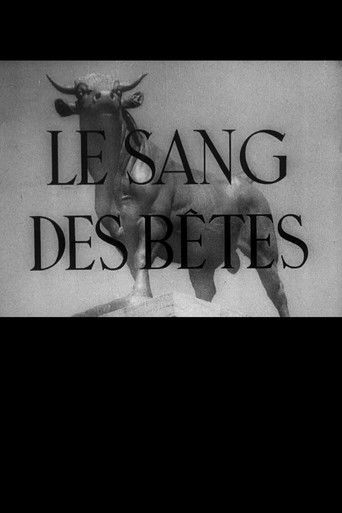
Blood of the Beasts
An early example of ultra-realism, this movie contrasts the quiet, bucolic life in the outskirts of Paris with the harsh, gory conditions inside the nearby slaughterhouses. Describes the fate of the animals and that of the workers in graphic detail.

Berlin: Symphony of a Great City
A day in the city of Berlin, which experienced an industrial boom in the 1920s, and still provides an insight into the living and working conditions at that time. Germany had just recovered a little from the worst consequences of the First World War, the great economic crisis was still a few years away and Hitler was not yet an issue at the time.

The House Is Black
Set in a leper colony in the north of Iran, The House is Black juxtaposes "ugliness," of which there is much in the world as stated in the opening scenes, with religion and gratitude.

Rain
A lyrical portrait of Amsterdam and its changing appearance during a rain-shower.
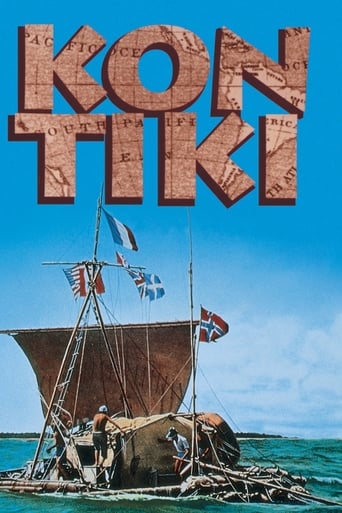
Kon-Tiki
"Kon-Tiki" was the name of a wooden raft used by six Scandinavian scientists, led by Thor Heyerdahl, to make a 101-day journey from South America to the Polynesian Islands. The purpose of the expedition was to prove Heyerdal's theory that the Polynesian Islands were populated from the east- specifically Peru- rather than from the west (Asia) as had been the theory for hundreds of years. Heyerdahl made a study of the winds and tides in the Pacific, and by simulating conditions as closely as possible to those he theorized the Peruvians encountered, set out on the voyage.
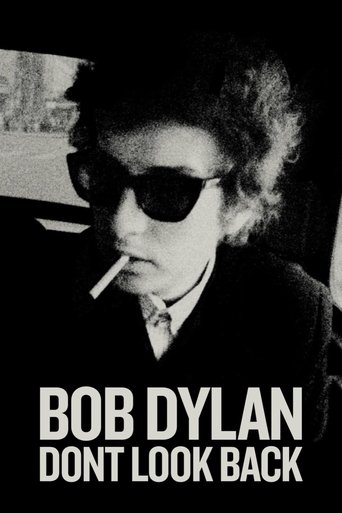
Bob Dylan – Don't Look Back
In this wildly entertaining vision of one of the twentieth century’s greatest artists, Bob Dylan is surrounded by teen fans, gets into heated philosophical jousts with journalists, and kicks back with fellow musicians Joan Baez, Donovan, and Alan Price.
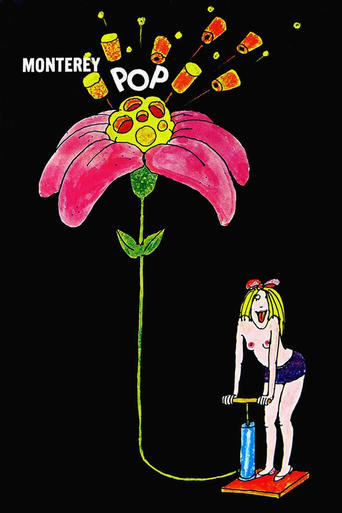
Monterey Pop
Featuring performances by popular artists of the 1960s, this concert film highlights the music of the 1967 California festival. Although not all musicians who performed at the Monterey Pop Festival are on film, some of the notable acts include the Mamas and the Papas, Simon & Garfunkel, Jefferson Airplane, the Who, Otis Redding, and the Jimi Hendrix Experience. Hendrix's post-performance antics -- lighting a guitar on fire, breaking it and tossing a part into the audience -- are captured.

Hello Cubans
A photo montage of Cubans filmed by Agnès Varda during her visit to Cuba in 1963, four years after Fidel Castro came to power. This black & white documentary explores their socialist culture and society while making use of 1500 pictures (out of 4000!) the filmmaker took while on the island.
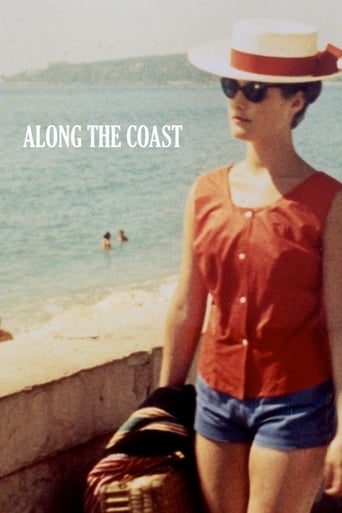
Along the Coast
Tongue-in-cheek look at the French Riviera, especially in summer when it overflows with tourists. Reviews its history and famous visitors; displays its faux-exotic buildings, its crowded beaches, its trees and monuments; and, pokes fun at the colors women wear and the vagaries of fashion. The film celebrates the use of "Eden" as a place name, suggesting that paradise comes to the coast after all are gone, perhaps only on a remote island beach.
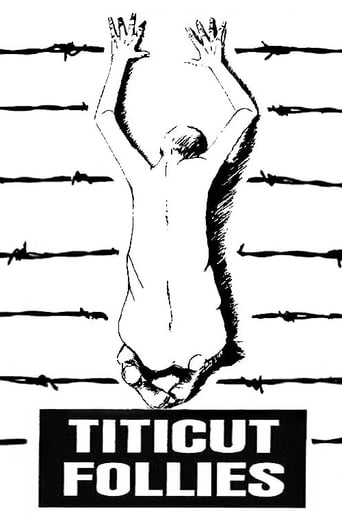
Titicut Follies
This important film is a stark and graphic portrayal of the conditions that existed at the State Prison for the Criminally Insane at Bridgewater, Massachusetts. It documents the various ways the inmates are treated by the guards, social workers, and psychiatrists.
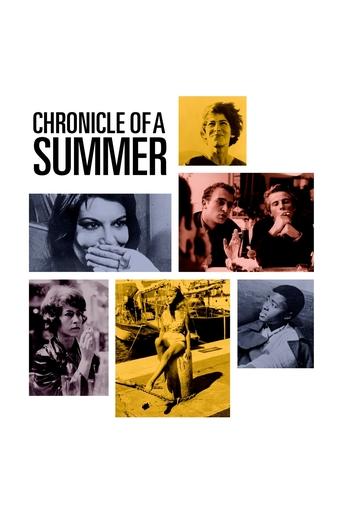
Chronicle of a Summer
Paris, summer 1960. Anthropologist and filmmaker Jean Rouch and sociologist and film critic Edgar Morin wander through the crowded streets asking passersby how they cope with life's misfortunes.
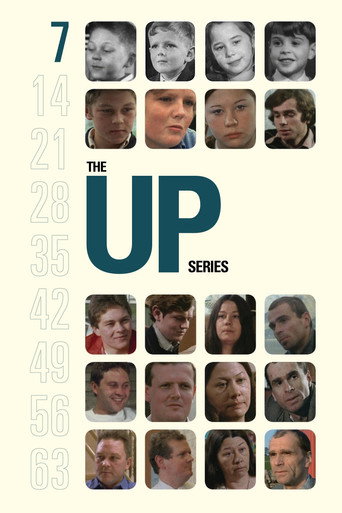
Seven Up!
A group of British children aged 7 from widely ranging backgrounds are interviewed about a range of subjects. The filmmakers plan to re-interview them at 7 year intervals to track how their lives and attitudes change as they age.

Salesman
This documentary from Albert and David Maysles follows the bitter rivalry of four door-to-door salesmen working for the Mid-American Bible Company: Paul "The Badger" Brennan, Charles "The Gipper" McDevitt, James "The Rabbit" Baker and Raymond "The Bull" Martos. Times are tough for this hard-living quartet, who spend their days traveling through small-town America, trying their best to peddle gold-leaf Bibles to an apathetic crowd of lower-middle-class housewives and elderly couples.

High School
Documentary filmmaker Frederick Wiseman takes us inside Northeast High School as a fly on the wall to observe the teachers and how they interact with the students.
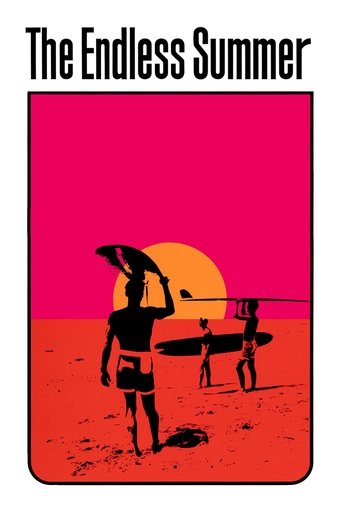
The Endless Summer
Bruce Brown's The Endless Summer is one of the first and most influential surf movies of all time. The film documents American surfers Mike Hynson and Robert August as they travel the world during California’s winter (which, back in 1965 was off-season for surfing) in search of the perfect wave and ultimately, an endless summer.

Black Panthers
A film shot during the summer of 1968 in Oakland, California around the meetings organised by the Black Panthers Party to free Huey Newton, one of their leaders, and to turn his trial into a political debate. They tried and succeeded in catching America’s attention.
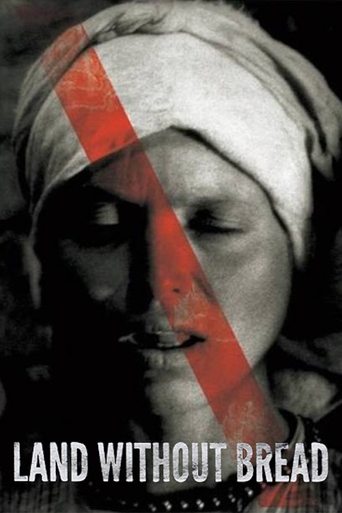
Land Without Bread
An exploration —manipulated and staged— of life in Las Hurdes, in the province of Cáceres, in Extremadura, Spain, as it was in 1932. Insalubrity, misery and lack of opportunities provoke the emigration of young people and the solitude of those who remain in the desolation of one of the poorest and least developed Spanish regions at that time.
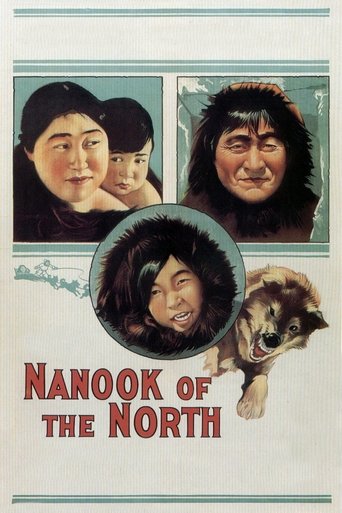
Nanook of the North
This pioneering documentary film depicts the lives of the indigenous Inuit people of Canada's northern Quebec region. Although the production contains some fictional elements, it vividly shows how its resourceful subjects survive in such a harsh climate, revealing how they construct their igloo homes and find food by hunting and fishing. The film also captures the beautiful, if unforgiving, frozen landscape of the Great White North, far removed from conventional civilization.
What to know before choosing
A well-rated documentary is not necessarily a fair one: audiences rate what turned them upside down, and the genre rewards reversals more than patient reporting. Ratings here are among the highest in the catalogue and vote counts among the lowest — which is why the vote floor is lowered for this genre, or the page would be empty. Check the date: a current-affairs documentary ages in three years.
Before 1970 the selection stops being a sample and becomes a canon. What still circulates in streaming has passed sixty years of sorting, and the ratings show it: high and tightly clustered. The real criterion is therefore no longer the rating but the pace and the running time, which have nothing in common with today’s. A classic asks for an attention you do not have every evening.
Frequently asked questions
How were these 24 films chosen?
They come from the TMDB catalogue, filtered on audience rating and on a minimum number of votes — without that second filter, a film rated 9 out of 10 by eleven people would outrank a classic. No place is for sale: no platform, distributor or studio can enter this list other than by being well rated.
Which film in this list is rated highest?
Night and Fog (1956), with 8.3 out of 10 from 588 audience votes.
Where can I watch these films?
Taro eira shows, film by film, which platforms carry it in the UK and at what price — subscription, rental or purchase. The per-platform lists are further down this page.
How often does this list change?
It is recomputed every day. Ratings move slowly, catalogues move fast: availability is what mostly pushes titles in and out.
Do I need an account?
No. Taro eira is free, asks for no account and no subscription, and the two-or-three-question flow works without installing anything.
See also
- Documentary
- Documentary from the 2020s
- Documentary from the 2010s
- Documentary from the 2000s
- Documentary from the 1990s
- Documentary from the 1980s
- Documentary from the 1970s
- Action before 1970
- Adventure before 1970
- Animation before 1970
- Comedy before 1970
- Crime before 1970
- Drama before 1970
- Family before 1970
- Fantasy before 1970
- Biopic before 1970
- Horror before 1970
- Musical before 1970
- Romance before 1970
- Sci-fi before 1970
- Thriller before 1970
- War before 1970
- Western before 1970
How this list is built
Films come from the TMDB catalogue, filtered on audience rating and vote count, then cross-checked against real availability in the country. No paid placement, no partnerships. How we choose the films.
Film data and posters: TMDB. This app uses the TMDB API but is not endorsed or certified by TMDB.