War from the 2000s: the best movies
24 war films from the 2000s, ranked by audience rating. The best of the decade, and it still holds up tonight. Updated September 25, 2026
The Pianist leads with 8,4 out of 10, ahead of Inglourious Basterds (8,2). Ratings range from 7,3 to 8,4. All were released between 2000 and 2009.
Find my film in 2 questionsSwipe through films

The Pianist
The true story of pianist Władysław Szpilman's experiences in Warsaw during the Nazi occupation. When the Jews of the city find themselves forced into a ghetto, Szpilman finds work playing in a café; and when his family is deported in 1942, he stays behind, works for a while as a laborer, and eventually goes into hiding in the ruins of the war-torn city.

Inglourious Basterds
In Nazi-occupied France during World War II, a group of Jewish-American soldiers known as "The Basterds" are chosen specifically to spread fear throughout the Third Reich by scalping and brutally killing Nazis. The Basterds, lead by Lt. Aldo Raine soon cross paths with a French-Jewish teenage girl who runs a movie theater in Paris which is targeted by the soldiers.
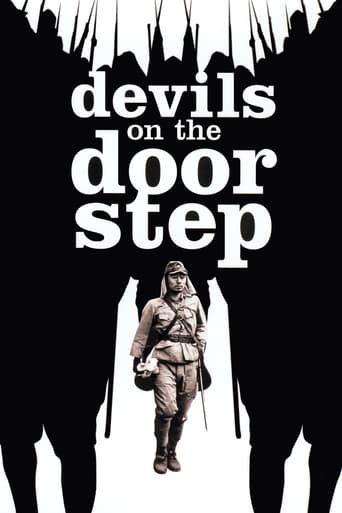
Devils on the Doorstep
During the Japanese occupation of China, two prisoners are dumped in a peasant's home in a small town. The owner is bullied into keeping the prisoners until the next New Year, at which time they will be collected. The village leaders convene to interrogate the prisoners. The townspeople then struggle to accommodate the prisoners. One is a bellicose Japanese nationalist, the other a nervous translator. Will the townspeople manage to keep the prisoners until the New Year?
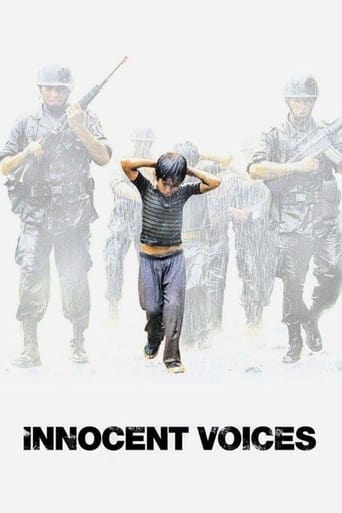
Innocent Voices
A young boy, attempting to have a normal childhood in 1980s El Salvador, is caught up in a dramatic fight for his life when he desperately tries to avoid the war that is raging all around him.
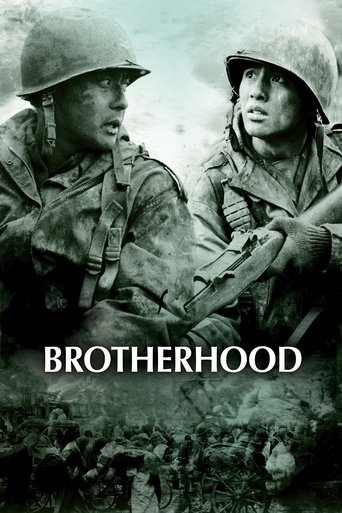
Tae Guk Gi: The Brotherhood of War
When two brothers are forced to fight in the Korean War, the elder decides to take the riskiest missions if it will help shield the younger from battle.
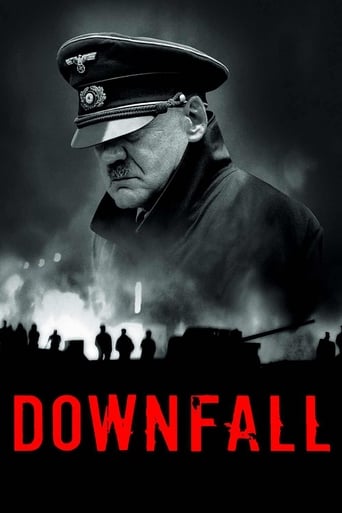
Downfall
In April of 1945, Germany stands at the brink of defeat with the Russian Army closing in from the east and the Allied Expeditionary Force attacking from the west. In Berlin, capital of the Third Reich, Adolf Hitler proclaims that Germany will still achieve victory and orders his generals and advisers to fight to the last man. When the end finally does come, and Hitler lies dead by his own hand, what is left of his military must find a way to end the killing that is the Battle of Berlin, and lay down their arms in surrender.
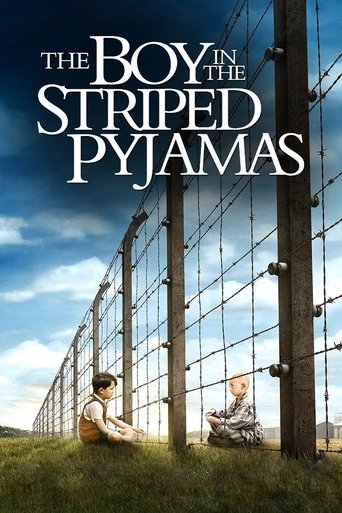
The Boy in the Striped Pyjamas
When his family moves from their home in Berlin to a strange new house in Poland, young Bruno befriends Shmuel, a boy who lives on the other side of the fence where everyone seems to be wearing striped pajamas. Unaware of Shmuel's fate as a Jewish prisoner or the role his own Nazi father plays in his imprisonment, Bruno embarks on a dangerous journey inside the camp's walls.
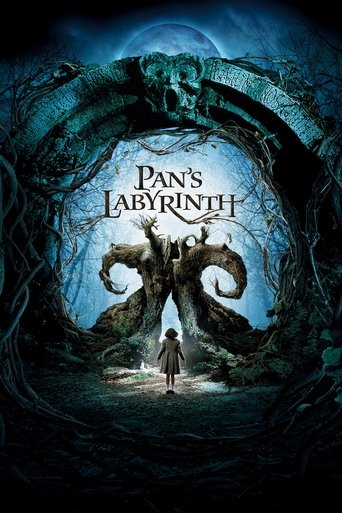
Pan's Labyrinth
In post–civil war Spain, 10-year-old Ofelia moves with her pregnant mother to live under the control of her cruel stepfather. Drawn into a mysterious labyrinth, she meets a faun who reveals that she may be a lost princess from an underground kingdom. To return to her true father, she must complete a series of surreal and perilous tasks that blur the line between reality and fantasy.
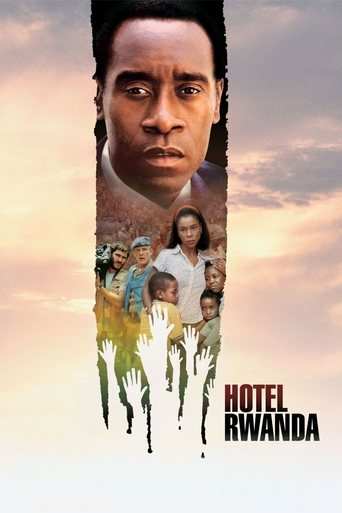
Hotel Rwanda
Inspired by true events, this film takes place in Rwanda in the 1990s when more than a million Tutsis were killed in a genocide that went mostly unnoticed by the rest of the world. Hotel owner Paul Rusesabagina houses over a thousand refuges in his hotel in attempt to save their lives.
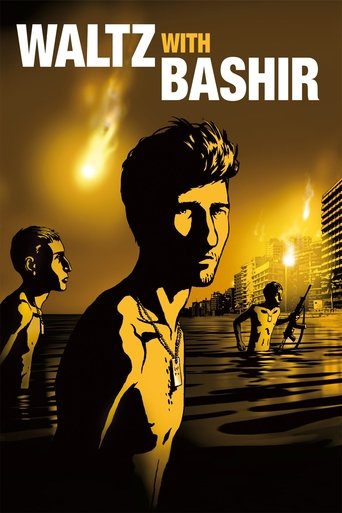
Waltz with Bashir
A film director from Israel interviews fellow veterans of the 1982 invasion of Lebanon to reconstruct his own memories of his term of service in that conflict.
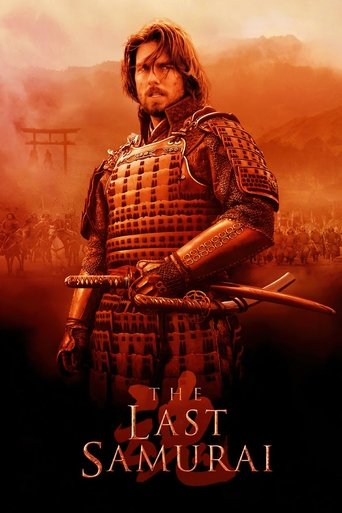
The Last Samurai
Nathan Algren is an American hired to instruct the Japanese army in the ways of modern warfare, which finds him learning to respect the samurai and the honorable principles that rule them. Pressed to destroy the samurai's way of life in the name of modernization and open trade, Algren decides to become an ultimate warrior himself and to fight for their right to exist.
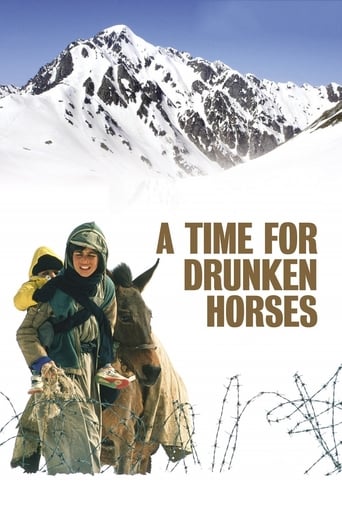
A Time for Drunken Horses
After their father dies, a family of five children are forced to survive on their own in a Kurdish village on the border of Iran and Iraq.

No Man's Land
Two soldiers from opposite sides get stuck between the front lines in the same trench. The UN is asked to free them and both sides agree on a ceasefire, but will they stick to it?
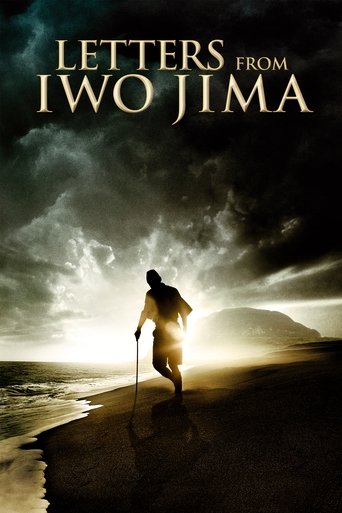
Letters from Iwo Jima
The story of the battle of Iwo Jima between the United States and Imperial Japan during World War II, as told from the perspective of the Japanese who fought it.
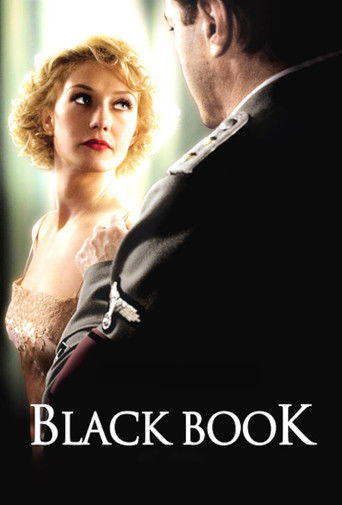
Black Book
Israel, 1956: Jewish teacher Rachel Stein rather unexpectedly meets an old friend at the kibbutz. It brings back memories of her experiences in the Netherlands during the war, memories of betrayal. In September 1944, Rachel's hiding place is bombed by Allied troops; she makes contact with a resistance member and joins a group of Jews to be smuggled across the Biesbosch to the freed South Netherlands. Only Rachel escapes a massacre by patrol Germans, and is rescued by a resistance group under the leadership of Gerben Kuipers, whose son is captured trying to smuggle weapons. Kuipers asks Rachel to seduce SS-hauptsturmführer Ludwig Müntze, a mission that she will soon learn that the boat attack wasn't a coincidence.
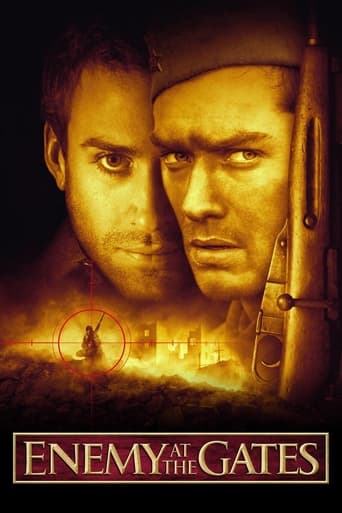
Enemy at the Gates
A Russian and a German sniper play a game of cat-and-mouse during the Battle of Stalingrad in WWII.

Welcome to Dongmakgol
Based on the long running play by Jang Jin, the story is set in Korea during the Korean War in 1950. Soldiers from both the North and South, as well as an American pilot, find themselves in a secluded and naively idealistic village, its residents unaware of the outside world, including the war.
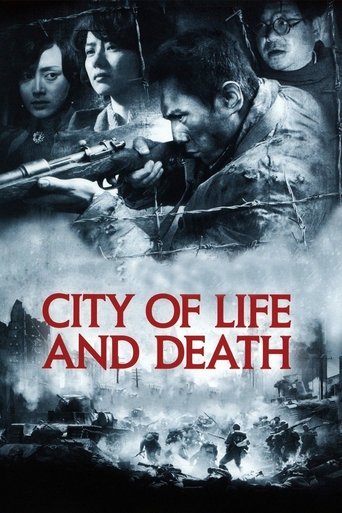
City of Life and Death
In 1937, during the height of the Second Sino-Japanese War, the Imperial Japanese Army has just captured Nanjing, then-capital of the Republic of China. What followed was known as the Nanking Massacre, or the Rape of Nanking, a six week period wherein tens of thousands of Chinese soldiers and civilians were killed.

Black Hawk Down
When U.S. Rangers and an elite Delta Force team attempt to kidnap two underlings of a Somali warlord, their Black Hawk helicopters are shot down, and the Americans suffer heavy casualties, facing intense fighting from the militia on the ground.
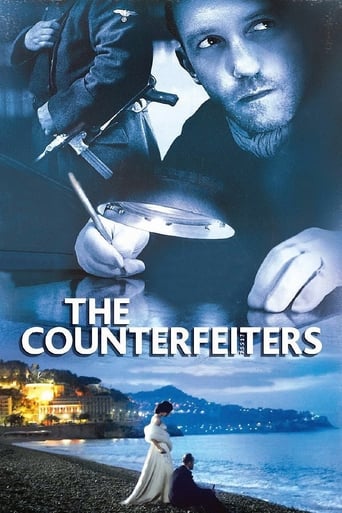
The Counterfeiters
The story of Jewish counterfeiter Salomon Sorowitsch, who was coerced into assisting the Nazi operation of the Sachsenhausen concentration camp during World War II.

Joyeux Noel
France, 1914, during World War I. On Christmas Eve, an extraordinary event takes place in the bloody no man's land that the French and the Scots dispute with the Germans…
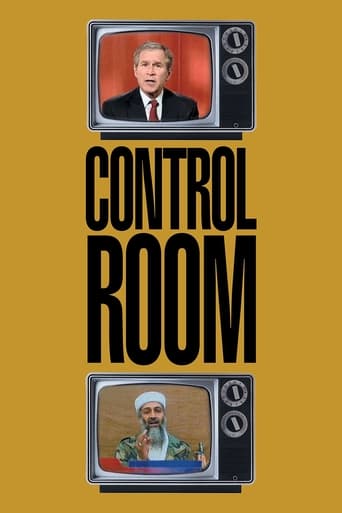
Control Room
A chronicle which provides a rare window into the international perception of the Iraq War, courtesy of Al Jazeera, the Arab world's most popular news outlet. Roundly criticized by Cabinet members and Pentagon officials for reporting with a pro-Iraqi bias, and strongly condemned for frequently airing civilian causalities as well as footage of American POWs, the station has revealed (and continues to show the world) everything about the Iraq War that the Bush administration did not want it to see.

The Courageous Heart of Irena Sendler
Irena Sendler is a Catholic social worker who has sympathized with the Jews since her childhood, when her physician father died of typhus contracted while treating poor Jewish patients. When she initially proposes saving Jewish children from the Warsaw Ghetto, her idea is met with skepticism by fellow workers, her parish priest, and even her own mother Janina.
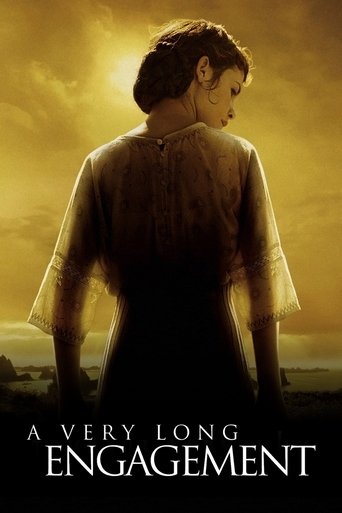
A Very Long Engagement
Young Frenchwoman Mathilde searches for the truth about her missing fiancé, lost during World War I, and learns many unexpected things along the way. The love of her life is gone. But she refuses to believe he's gone forever — and she needs to know for sure.
What to know before choosing
A war film is almost always a film of point of view, and it is that point of view, more than the conflict, that decides what you will see. Ratings run high, because only those who chose it watch it. The catalog is narrow and votes are rare: the floor is lowered here, or the page would hold four titles. Allow time — long running times are the rule in this genre, not the exception.
The 2000s are the digital tipping point: the decade in which effects stopped being remarkable and became invisible. Its films therefore age better than those of the decade before, whose computer imagery gives the date away instantly. It is also the last decade conceived entirely for the cinema rather than the home screen.
Frequently asked questions
How were these 24 films chosen?
They come from the TMDB catalog, filtered on audience rating and on a minimum number of votes — without that second filter, a film rated 9 out of 10 by eleven people would outrank a classic. No place is for sale: no platform, distributor or studio can enter this list other than by being well rated.
Which film in this list is rated highest?
The Pianist (2002), with 8,4 out of 10 from 10,468 audience votes.
Where can I watch these films?
Taro eira shows, film by film, which platforms carry it in the US and at what price — subscription, rental or purchase. The per-platform lists are further down this page.
How often does this list change?
It is recomputed every day. Ratings move slowly, catalogs move fast: availability is what mostly pushes titles in and out.
Do I need an account?
No. Taro eira is free, asks for no account and no subscription, and the two-or-three-question flow works without installing anything.
See also
- War
- War from the 2020s
- War from the 2010s
- War from the 1990s
- War from the 1980s
- War from the 1970s
- War before 1970
- Action from the 2000s
- Adventure from the 2000s
- Animation from the 2000s
- Comedy from the 2000s
- Crime from the 2000s
- Documentary from the 2000s
- Drama from the 2000s
- Family from the 2000s
- Fantasy from the 2000s
- Biopic from the 2000s
- Horror from the 2000s
- Musical from the 2000s
- Romance from the 2000s
- Sci-fi from the 2000s
- Thriller from the 2000s
- Western from the 2000s
How this list is built
Films come from the TMDB catalog, filtered on audience rating and vote count, then cross-checked against real availability in the country. No paid placement, no partnerships. How we choose the films.
Film data and posters: TMDB. This app uses the TMDB API but is not endorsed or certified by TMDB.