Documentary from the 1980s: the best movies
24 documentary films from the 1980s, ranked by audience rating. The best of the decade, and it still holds up tonight. Updated September 25, 2026
Twenty Years Later leads with 8,4 out of 10, ahead of Stop Making Sense (8,3). Ratings range from 7,1 to 8,4. All were released between 1980 and 1989.
Find my film in 2 questionsSwipe through films

Twenty Years Later
Eduardo Coutinho was filming a movie with the same name in the Northeast of Brazil, in 1964, when there came the military coup. He had to interrupt the project, and came back to it in 1981, looking for the same places and people, showing what had ocurred since then, and trying to gather a family whose patriarch, a political leader fighting for rights of country people, had been murdered.
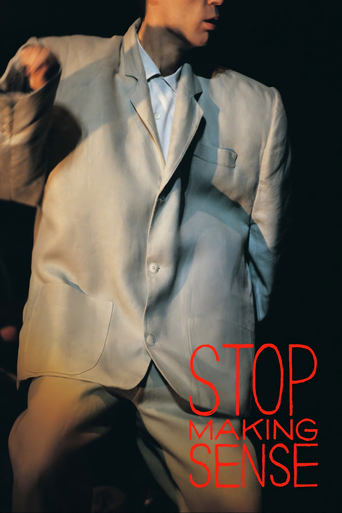
Stop Making Sense
A concert film documenting Talking Heads at the height of their popularity, on tour for their 1983 album "Speaking in Tongues." The band takes the stage one by one and is joined by a cadre of guest musicians for a career-spanning and cinematic performance that features creative choreography and visuals.
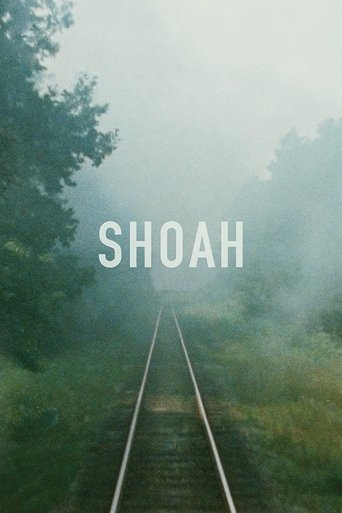
Shoah
Director Claude Lanzmann spent 11 years on this sprawling documentary about the Holocaust, conducting his own interviews and refusing to use a single frame of archival footage. Dividing Holocaust witnesses into three categories – survivors, bystanders, and perpetrators – Lanzmann presents testimonies from survivors of the Chelmno concentration camp, an Auschwitz escapee, and witnesses of the Warsaw Ghetto Uprising, as well as a chilling report of gas chambers from an SS officer at Treblinka.
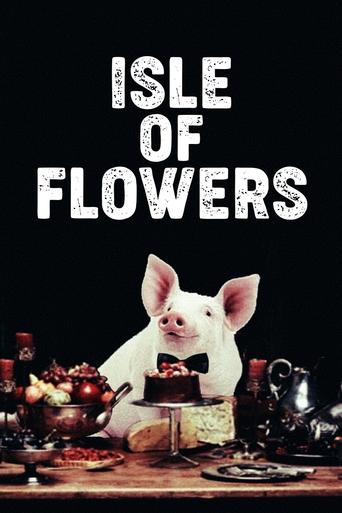
Isle of Flowers
A tomato is planted, harvested and sold at a supermarket, but it rots and ends up in the trash. But it doesn’t end there: Isle of Flowers follows it up until its real end, among animals, trash, women and children. And then the difference between tomatoes, pigs and human beings becomes clear.
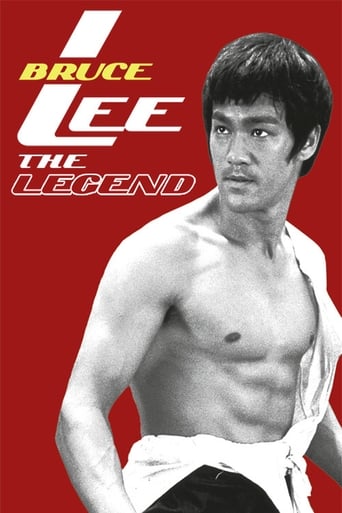
Bruce Lee, the Legend
The Official Golden Harvest tribute to the Master of the Martial Arts Film, Bruce Lee.
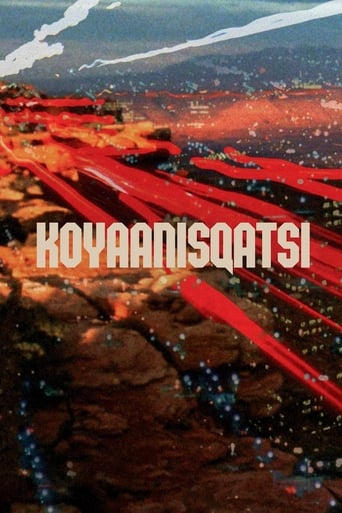
Koyaanisqatsi
Takes us to locations all around the US and shows us the heavy toll that modern technology is having on humans and the earth. The visual tone poem contains neither dialogue nor a vocalized narration: its tone is set by the juxtaposition of images and the exceptional music by Philip Glass.
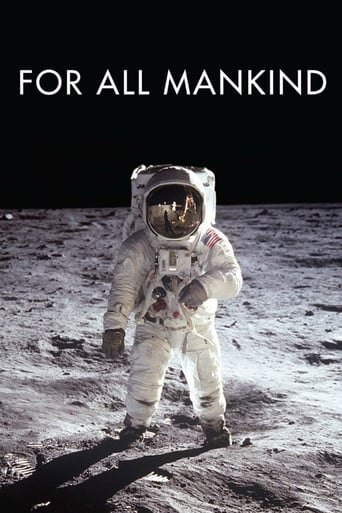
For All Mankind
A testament to NASA's Apollo program of the 1960s and '70s. Composed of actual NASA footage of the missions and astronaut interviews, the documentary offers the viewpoint of the individuals who braved the remarkable journey to the moon and back.
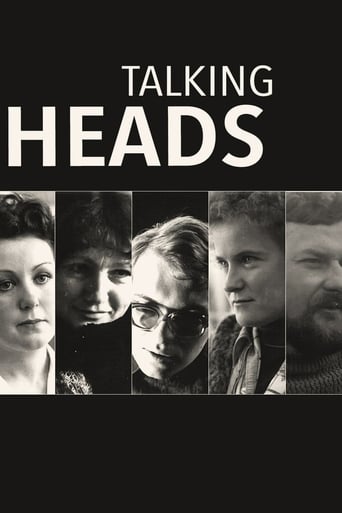
Talking Heads
People of different age, profession and social status answer two simple questions: who they are and what they want from life.
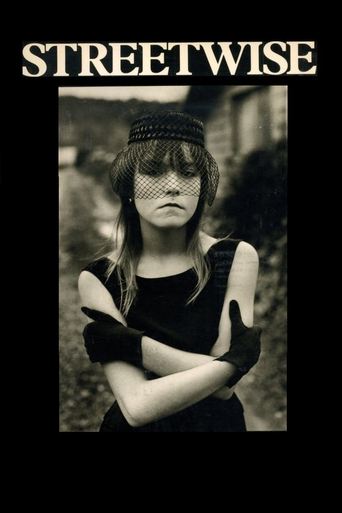
Streetwise
This documentary about teenagers living on the streets in Seattle began as a magazine article. The film follows nine teenagers who discuss how they live by panhandling, prostitution, and petty theft.
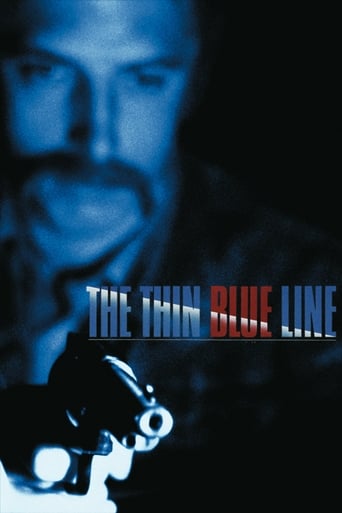
The Thin Blue Line
An unorthodox investigation into the wrongful conviction of Randall Dale Adams for the 1976 murder of Dallas police officer Robert Wood. Using stylized reenactments and interviews with key figures, conflicting testimonies and evidence are presented to argue that Adams was framed by a corrupt justice system, ultimately leading to his exoneration.
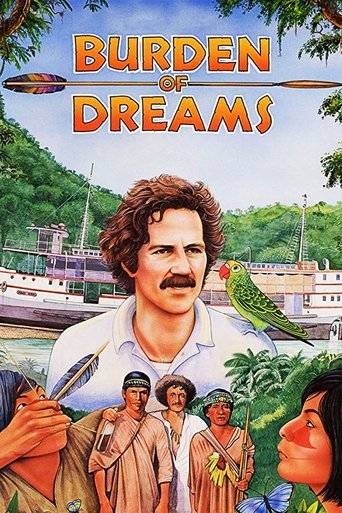
Burden of Dreams
The Amazon rain forest, 1979. The crew of Fitzcarraldo (1982), a film directed by German director Werner Herzog, soon finds itself with problems related to casting, tribal struggles and accidents, among many other setbacks; but nothing compared to dragging a huge steamboat up a mountain, while Herzog embraces the path of a certain madness to make his vision come true.
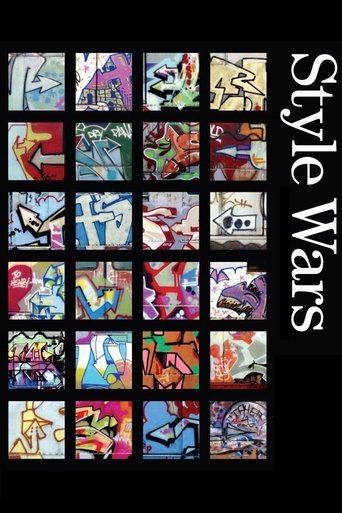
Style Wars
Tony Silver and Henry Chalfant's PBS documentary tracks the rise and fall of subway graffiti in New York in the late 1970s and early 1980s.
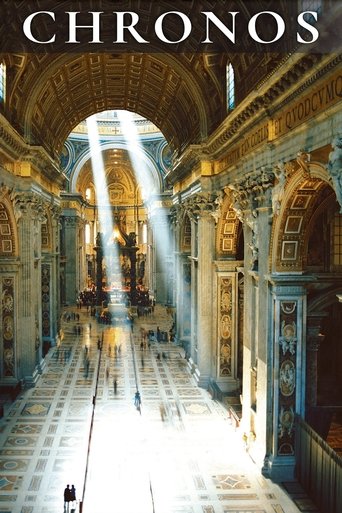
Chronos
Carefully picked scenes of nature and civilization are viewed at high speed using time-lapse cinematography in an effort to demonstrate the history of various regions.
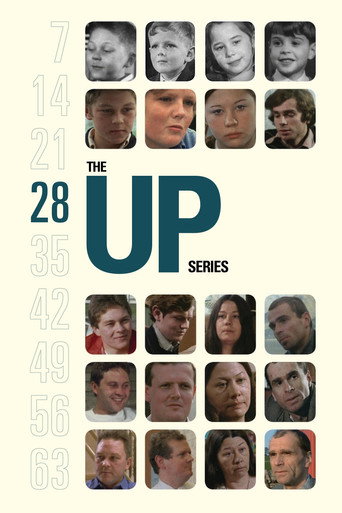
28 Up
Just two years away from turning 30, participants in Michael Apted's documentary series are facing serious questions of identity and purpose, wondering whether they've found their place in the world.
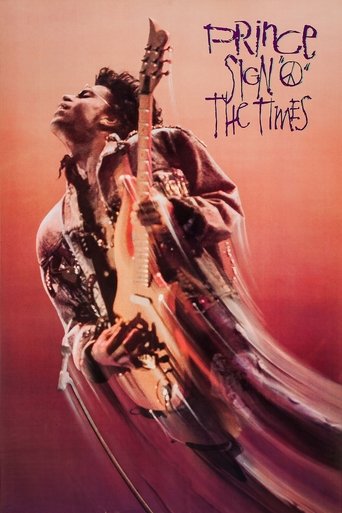
Prince: Sign 'o' the Times
In 1987, to capitalize on his growing success in Europe, Prince toured extensively to promote the album of the same name and sales increased accordingly. However, the United States remained resistant to his latest album, and sales began to drop; it was at this point that Prince decided to film a live concert promoting the new material, for eventual distribution to theaters in America. Featuring the band that accompanied Prince on his 1987 Sign o' the Times Tour, including dancer Cat Glover, keyboardist Boni Boyer, bassist Levi Seacer, Jr., guitarist Miko Weaver, drummer Sheila E. and former member of The Revolution keyboardist Dr. Fink, the film sees the group perform live on stage (although "U Got the Look" is represented by its promotional music video).
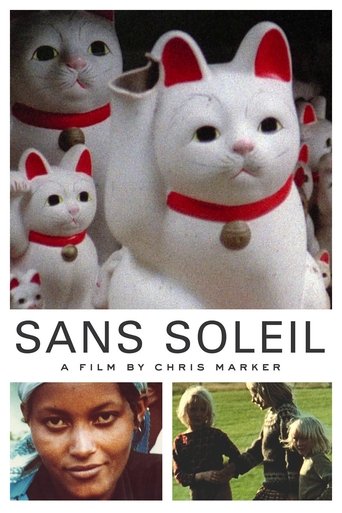
Sans Soleil
A woman narrates the thoughts of a world traveler, meditations on time and memory expressed in words and images from places as far-flung as Japan, Guinea-Bissau, Iceland, and San Francisco.
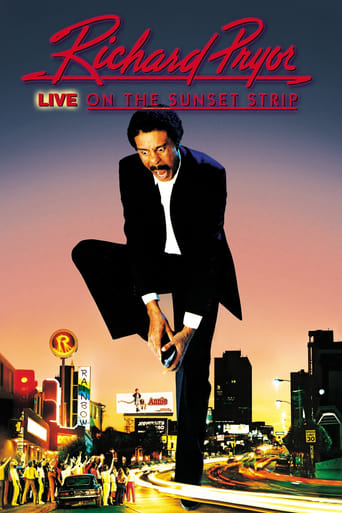
Richard Pryor: Live on the Sunset Strip
Richard Pryor's stand-up act includes his frank discussion about his freebasing addiction, as well as the infamous night on June 9, 1980 that he caught on fire.
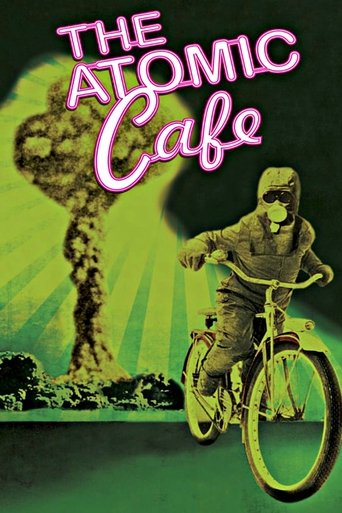
The Atomic Cafe
A disturbing collection of 1940s and 1950s United States government-issued propaganda films designed to reassure Americans that the atomic bomb was not a threat to their safety.
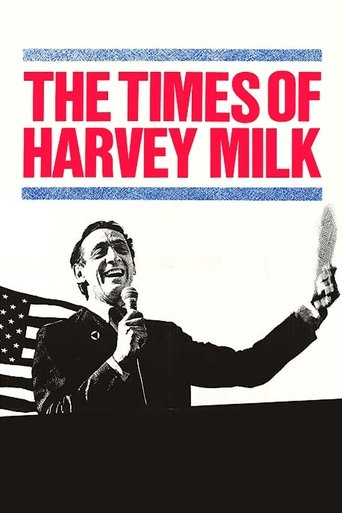
The Times of Harvey Milk
Harvey Milk was an outspoken human rights activist and one of the first openly gay U.S. politicians elected to public office; even after his assassination in 1978, he continues to inspire disenfranchised people around the world.
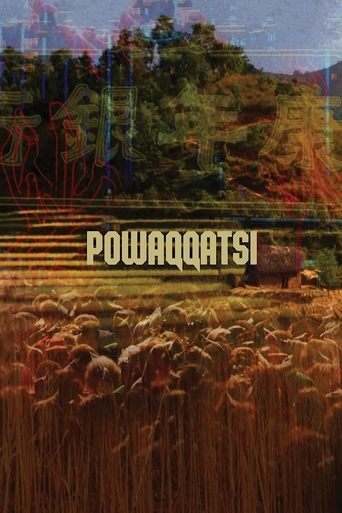
Powaqqatsi
An exploration of technologically developing nations and the effect the transition to Western-style modernization has had on them.
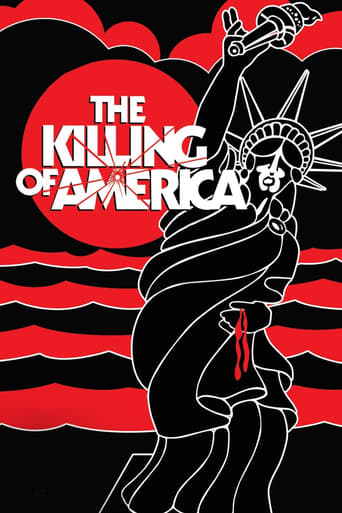
The Killing of America
A documentary of the decline of America, composed of archival material and exclusive footage, carnage, madness, and mayhem with an unapologetic sincerity on the factual depiction of violence in the industrialized nation of the United States. Featuring a juxtaposition of detailed accounts of terrible acts, brutal behavior, and interviews from experts and convicted killers alike.
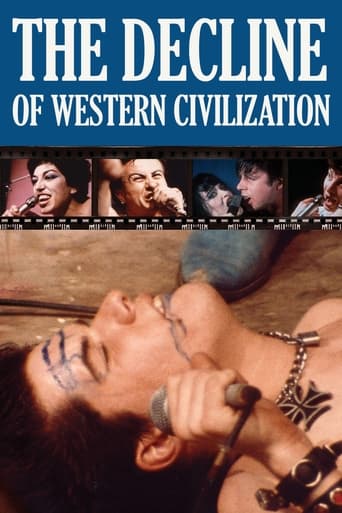
The Decline of Western Civilization
The Los Angeles punk music scene circa 1980 is the focus of this film. With Alice Bag Band, Black Flag, Catholic Discipline, Circle Jerks, Fear, Germs, and X.
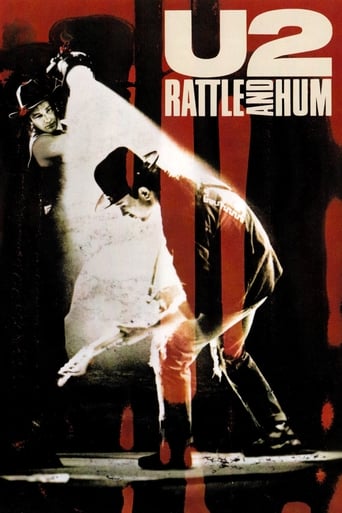
U2: Rattle and Hum
A concert movie on an unprecedented scale, Rattle And Hum captures U2 - on and off the stage - during their triumphant Joshua Tree tour. From the giant technicolour stadium celebrations to the black-and-white intensity of the indoor shows, this is U2 at their best. Follow the group across America, exploring new influences, playing with the legendary B.B. King from Dublin to Graceland.
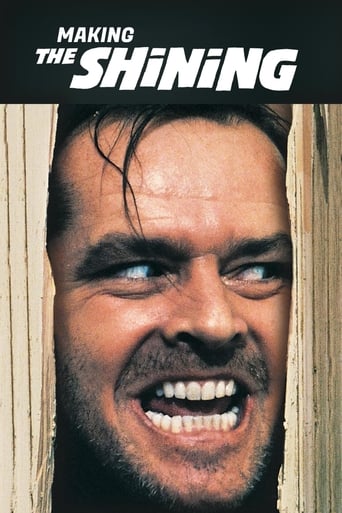
Making 'The Shining'
Directed and edited by Stanley Kubrick's daughter Vivian Kubrick, this film offers a look behind the scenes during the making of The Shining.
What to know before choosing
A well-rated documentary is not necessarily a fair one: audiences rate what turned them upside down, and the genre rewards reversals more than patient reporting. Ratings here are among the highest in the catalog and vote counts among the lowest — which is why the vote floor is lowered for this genre, or the page would be empty. Check the date: a current-affairs documentary ages in three years.
The 1980s produced the grammar of the mainstream film as we still know it. It is also the decade with the widest gap between the best and the worst films, because production was massive and budgets wildly uneven. Read the ratings here alongside the vote counts: a well-rated, heavily voted 1980s film has passed forty years of examination.
Frequently asked questions
How were these 24 films chosen?
They come from the TMDB catalog, filtered on audience rating and on a minimum number of votes — without that second filter, a film rated 9 out of 10 by eleven people would outrank a classic. No place is for sale: no platform, distributor or studio can enter this list other than by being well rated.
Which film in this list is rated highest?
Twenty Years Later (1984), with 8,4 out of 10 from 77 audience votes.
Where can I watch these films?
Taro eira shows, film by film, which platforms carry it in the US and at what price — subscription, rental or purchase. The per-platform lists are further down this page.
How often does this list change?
It is recomputed every day. Ratings move slowly, catalogs move fast: availability is what mostly pushes titles in and out.
Do I need an account?
No. Taro eira is free, asks for no account and no subscription, and the two-or-three-question flow works without installing anything.
See also
- Documentary
- Documentary from the 2020s
- Documentary from the 2010s
- Documentary from the 2000s
- Documentary from the 1990s
- Documentary from the 1970s
- Documentary before 1970
- Action from the 1980s
- Adventure from the 1980s
- Animation from the 1980s
- Comedy from the 1980s
- Crime from the 1980s
- Drama from the 1980s
- Family from the 1980s
- Fantasy from the 1980s
- Biopic from the 1980s
- Horror from the 1980s
- Musical from the 1980s
- Romance from the 1980s
- Sci-fi from the 1980s
- Thriller from the 1980s
- War from the 1980s
- Western from the 1980s
How this list is built
Films come from the TMDB catalog, filtered on audience rating and vote count, then cross-checked against real availability in the country. No paid placement, no partnerships. How we choose the films.
Film data and posters: TMDB. This app uses the TMDB API but is not endorsed or certified by TMDB.